AI Creative Workflow Automation: Maximize Productivity in Content Creation
AI Creative Workflow Automation: Maximize Productivity in Content Creation
Creative professionals are constantly seeking ways to work more efficiently without sacrificing quality. Artificial intelligence is revolutionizing creative workflows by automating routine tasks, streamlining processes, and enabling creators to focus on what they do best: creating. This comprehensive guide explores how to automate your creative workflow with AI, from ideation and planning to production, review, and delivery, maximizing productivity while maintaining creative excellence.
Understanding Creative Workflow Automation
Creative workflow automation involves using AI and technology to handle repetitive, time-consuming tasks in the creative process, allowing creators to focus on high-value creative work. This automation can span the entire creative lifecycle, from initial ideation through final delivery, significantly reducing time-to-market while improving consistency and quality.
- Automated content ideation and brainstorming
- Streamlined asset organization and management
- Automated file processing and formatting
- Intelligent content review and quality checks
- Automated delivery and distribution workflows
- Performance tracking and optimization
Automating Ideation and Planning
The creative process begins with ideation and planning, and AI can significantly accelerate these stages. AI tools can generate creative concepts, suggest variations, analyze trends, and help organize ideas into actionable plans. This automation helps creators overcome creative blocks and ensures a steady flow of ideas for content production.
Asset Management and Organization
Managing creative assets can be overwhelming, especially as libraries grow. AI-powered asset management systems can automatically tag, categorize, and organize files based on content analysis. These systems make it easy to find and reuse assets, reducing time spent searching for files and ensuring brand consistency.
- Automatic file tagging and categorization
- Content-based search and discovery
- Duplicate detection and management
- Version control and asset history
- Smart recommendations for asset reuse
- Automated backup and archiving
Automated Content Production
AI can automate various aspects of content production, from generating initial drafts and layouts to creating variations and adaptations. These automated production capabilities allow creators to produce more content in less time while maintaining quality standards. The key is identifying which production tasks benefit from automation and which require human creativity.
The most successful creative workflows balance automation with human creativity. AI handles the routine tasks, freeing creators to focus on the creative decisions that truly matter.
— Creative Director
Quality Control and Review Automation
Quality control is essential but can be time-consuming. AI tools can automatically check content for errors, inconsistencies, brand guideline compliance, and quality issues. These automated checks catch problems early, reducing revision cycles and ensuring consistent quality across all creative outputs.
Format Conversion and Adaptation
Creating content for multiple platforms requires different formats, sizes, and specifications. AI tools can automatically convert and adapt content for different platforms, ensuring optimal presentation across all channels. This automation eliminates the need for manual resizing and reformatting, saving significant time.
- Automatic format conversion
- Platform-specific optimization
- Responsive design adaptation
- Multi-format export
- Batch processing capabilities
- Quality preservation during conversion
Collaboration and Approval Workflows
Creative projects often involve multiple stakeholders and approval processes. AI can automate collaboration workflows by routing content for review, tracking approvals, managing feedback, and ensuring all stakeholders are informed. This automation streamlines collaboration and reduces delays in the creative process.
Performance Tracking and Optimization
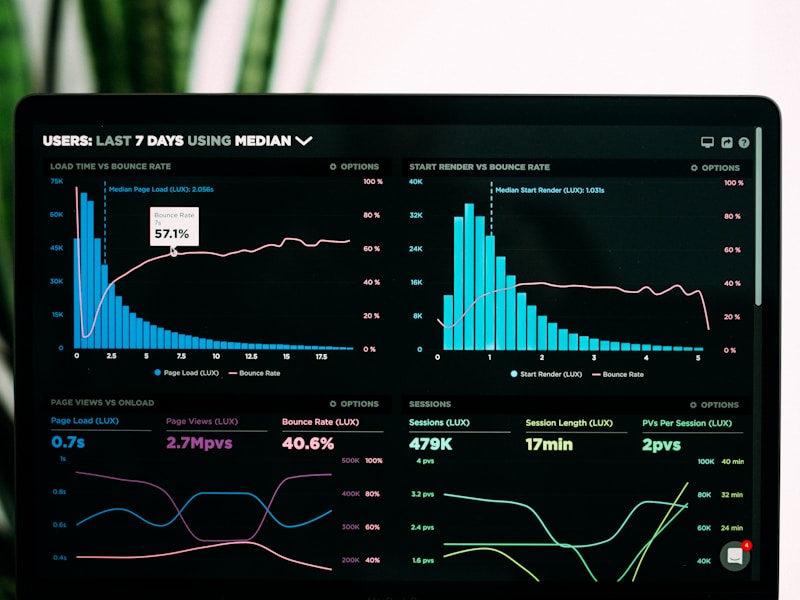
Understanding what works is crucial for improving creative output. AI tools can automatically track content performance, analyze engagement metrics, identify successful patterns, and suggest optimizations. This data-driven approach helps creators continuously improve their work and make informed decisions about future projects.
Building Your Automated Creative Workflow
Building an effective automated creative workflow requires identifying bottlenecks, selecting appropriate tools, establishing processes, and continuously optimizing. The most successful workflows automate routine tasks while maintaining human control over creative decisions. This balance maximizes productivity without sacrificing creativity or quality.
- Identify workflow bottlenecks and automation opportunities
- Select AI tools that integrate with your existing workflow
- Establish clear processes and guidelines
- Train team members on new tools and processes
- Monitor and measure workflow improvements
- Continuously optimize based on results and feedback
Conclusion: Embracing Creative Workflow Automation
AI creative workflow automation is transforming how creative professionals work, enabling them to produce more content in less time while maintaining quality and creativity. By strategically automating routine tasks and leveraging AI capabilities, creators can focus on the creative work that truly matters. The future of creative work lies in the seamless integration of AI automation with human creativity, maximizing both productivity and creative excellence.